
您知道吗?合适的橄榄油瓶会对橄榄油的口感和新鲜度产生巨大影响。这不仅仅关乎美观,包装在保持橄榄油品质方面起着至关重要的作用。当您了解市面上各种类型的橄榄油瓶时,您会发现一些重要的特性,它们可以保护橄榄油免受光照和空气的影响。但是,如何根据自己的需求选择最佳包装呢?市面上又有哪些选择呢?了解这些因素可以提升您的烹饪体验,并确保您充分利用橄榄油的品质。
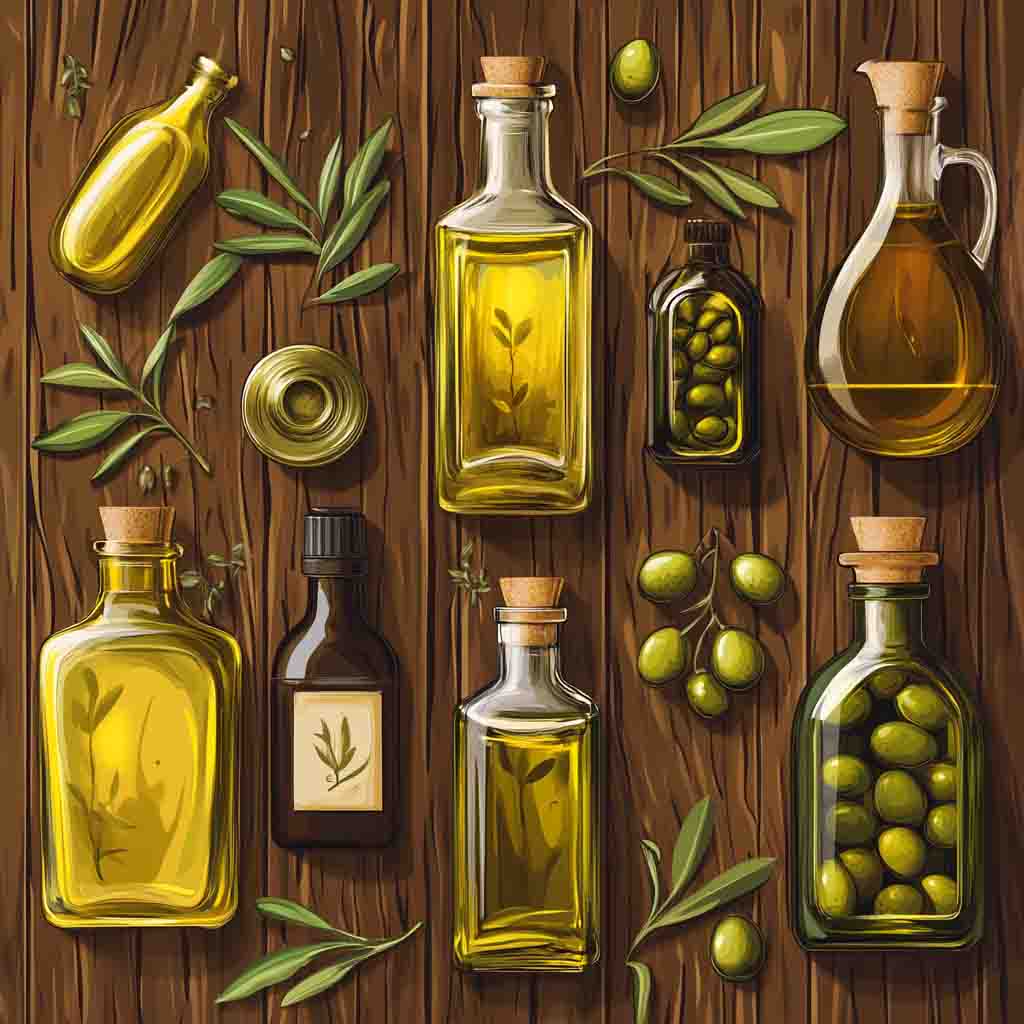
橄榄油包装对于保持这种珍贵产品的品质和延长保质期至关重要。选择合适的包装,不仅能确保新鲜度,还能体现您对重视品质和传统的社群的支持。
橄榄油瓶的分配器在保持橄榄油的品质方面起着至关重要的作用。无论您选择玻璃瓶装橄榄油分配器还是优雅的喷雾式橄榄油瓶,每一种选择都体现了您对品质的追求。
想想你想如何享用橄榄油。使用橄榄油瓶盖,既能提升倒油体验,又能防止橄榄油与空气接触。合适的包装不仅能保持风味,还能成为厨房美感的一部分。
在挑选橄榄油时,请记住每个细节都至关重要。从时尚的橄榄油瓶设计到实用性强的分配器,您的选择充分体现了您对这种烹饪珍品的欣赏。
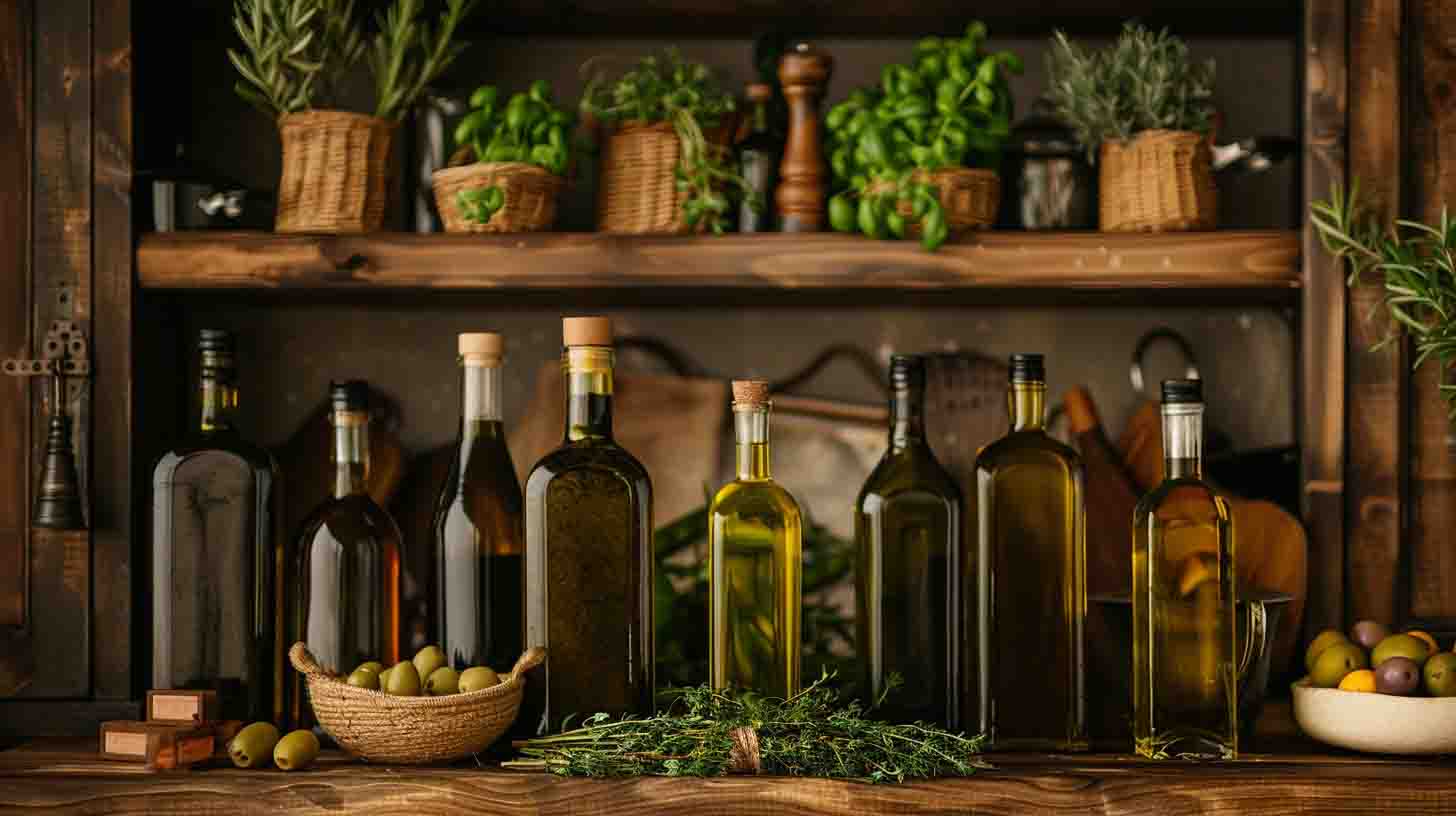
在选择橄榄油包装时,你需要考虑其阻隔性能,因为它们可以保护橄榄油免受光照和空气的影响,从而确保其新鲜度。
防篡改功能增加了一层安全保障,让您对产品的完整性充满信心。
此外,便捷的设计让您在使用油的同时,也能保持油的品质。
选择合适的橄榄油包装关键在于其优异的阻隔性能,以保护橄榄油免受变质。在选择空橄榄油瓶或迷你空橄榄油瓶时,应考虑其对内容物的遮光、抗氧和防潮效果。这些因素对于保持橄榄油的风味和品质至关重要。
以下是常见包装材料的简要比较:
| 材料 | 屏障特性 | 常用 |
|---|---|---|
| 暗玻璃 | 充足的光照、氧气和水分 | 优质橄榄油 |
| 不锈钢 | 充足的光照、湿度和氧气 | 散装存储 |
| PET(塑料) | 对氧气有良好作用,但对光较弱。 | 经济实惠的选择 |
| 马口铁罐 | 耐光、耐氧 | 经济实惠,但不太受欢迎。 |
| 涂布纸板 | 隔绝氧气和光线 | 轻便,短期使用 |
确保橄榄油包装的完整性至关重要,尤其是具有防篡改特性的包装,这可以增强消费者的信任。
这些特性至关重要,能够确保瓶内的橄榄油未经篡改,可以安全食用。选择带有防篡改包装的橄榄油,就是选择品质和用心。
考虑以下防篡改特性方面的问题:
橄榄油包装的便捷性可以极大地提升您的烹饪体验。选择合适的包装意味着您在厨房中可以更方便地取用橄榄油,保持其新鲜度和易用性。谁也不想费力地倒橄榄油,或者担心橄榄油的品质。
以下是一个简单的对比,帮助您了解不同的包装方案:
| 包装类型 | 便利功能 |
|---|---|
| 玻璃瓶 | 易于倾倒,外观吸引人 |
| 塑料容器 | 轻便,适合旅行 |
| 马口铁罐 | 耐用,耐光 |
| 不锈钢 | 非常适合散装存储 |
| 盒中袋 | 节省空间,不脏乱的分配方式 |
每种橄榄油都有其优势,让您尽情享受烹饪的乐趣。无论您是为家人烹制佳肴,还是款待朋友,合适的包装都能起到至关重要的作用。当您与家人朋友围坐在餐桌旁,分享着淋上顶级橄榄油的美味佳肴时,您会感受到浓浓的归属感。所以,请明智选择,让您的烹饪之旅如同您亲手烹制的佳肴一样令人愉悦!
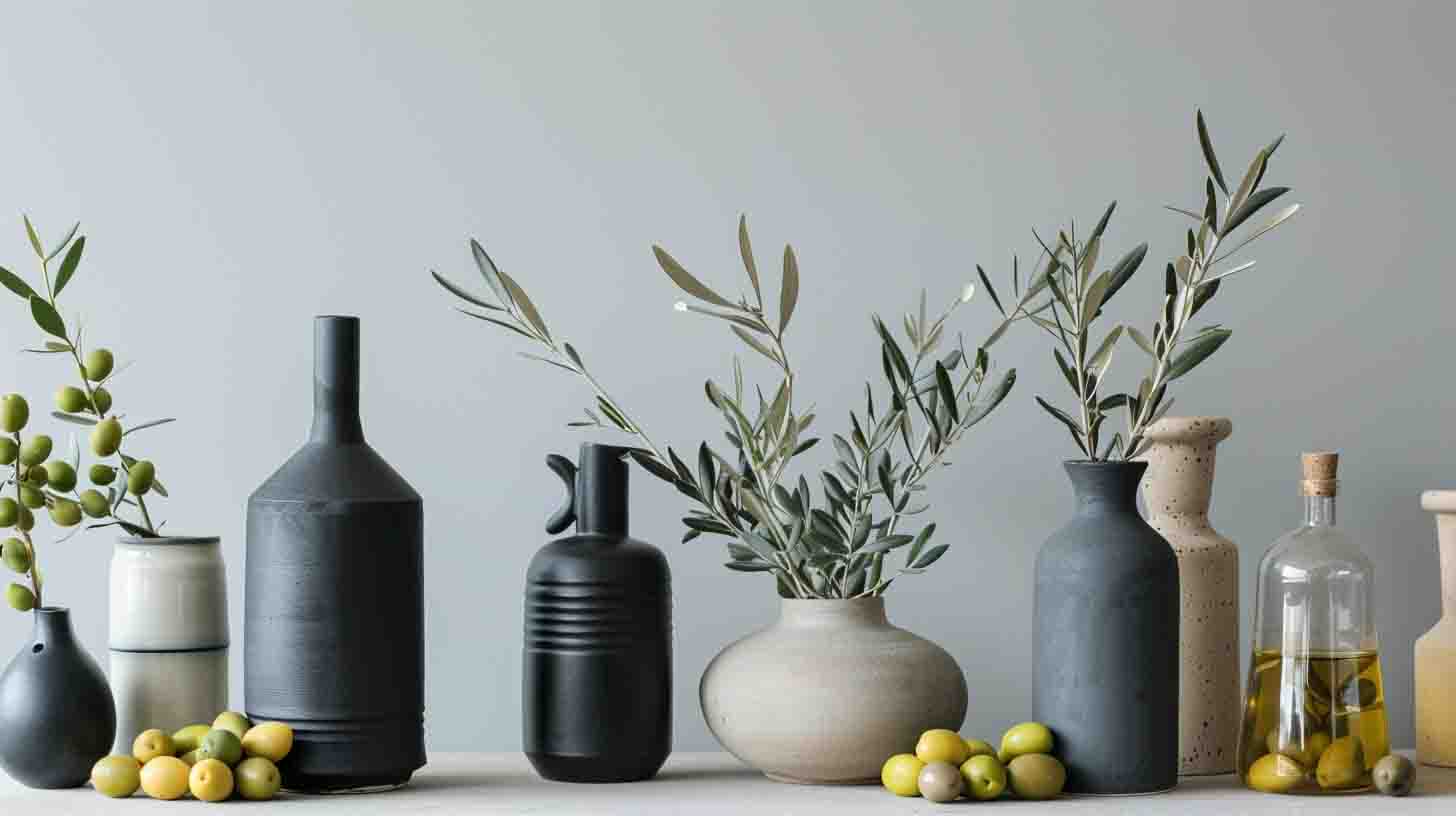
在选择橄榄油包装时,你会发现有好几种选择,每种选择都有其独特的用途。
玻璃容器因其能够保持品质而广受欢迎,而塑料PET瓶则轻便且经济实惠。
马口铁罐、不锈钢和涂层纸板包装也能提供不同程度的保护和便利,确保您的食用油保持新鲜美味。
在各种橄榄油包装中,玻璃容器因其卓越的保鲜能力而脱颖而出。
选择玻璃瓶,就等于选择了一种能有效隔绝光照、氧气和水分的材质,确保橄榄油的风味和营养成分完整保留。此外,玻璃瓶可重复使用且可回收,符合环保理念。
玻璃容器的主要优点如下:
由于聚对苯二甲酸乙二醇酯(PET)塑料容器轻便且经济实惠,因此在橄榄油包装领域越来越受欢迎。如果您追求便捷和经济,PET 容器是储存橄榄油的理想之选。
这些容器经久耐用,便于运输,不用担心破损,非常适合喜欢与亲朋好友分享自己喜爱精油的人。
虽然PET由于其无法有效防光,因此不太受高品质橄榄油的青睐,但许多品牌现在使用深色PET来减少光降解,有助于保持橄榄油的新鲜度。
你会发现,PET容器经常出现在杂货店里,它吸引了那些既追求性价比又不想在质量上做出太多妥协的人们。
虽然PET的多孔特性可能会让湿气和气体渗透,但它仍然是日常使用的热门选择。
如果您有环保意识,您会很高兴地知道 PET 是可回收的,这符合可持续发展的趋势。
马口铁罐为橄榄油的包装提供了一种实用有效的解决方案,它兼具轻巧的设计以及对光线和氧气的出色防护性能。
虽然马口铁罐可能不是每个消费者的首选,但它们仍然具有重要的用途,尤其对于那些更注重功能性而非美观性的人来说更是如此。
以下是使用马口铁罐盛装橄榄油的一些主要优点:
选择马口铁罐意味着你选择了一种可靠、高效的橄榄油储存方式。
对于那些喜欢每天用橄榄油烹饪,并且希望确保手边有优质橄榄油又不想花太多钱的人来说,这是一个很好的选择。
你会发现这些罐子可以保持食用油的新鲜度,让你在自己喜欢的菜肴中享受到它浓郁的风味。
不锈钢容器是包装橄榄油的理想之选,能够有效隔绝光照、潮湿和氧气。选择不锈钢,就等于选择了耐用性和可靠性——这些特质能够引起那些既注重品质又追求可持续性的人们的共鸣。
这些容器可以保护橄榄油的风味和营养价值,确保它能更长时间保持新鲜美味。
不锈钢的一大亮点在于其耐锈蚀和耐腐蚀性,使其成为储存和运输的理想选择。如果您批量采购,这些容器可以轻松满足您的需求,同时最大限度地减少浪费。
此外,它们通常可以重复使用,符合当今许多消费者所重视的环保理念。
但是,请记住不锈钢并非总是透明的。如果您喜欢展示橄榄油浓郁的色泽,您可能会觉得这方面有所欠缺。
然而,知道你的油得到了妥善保护所带来的安心感,往往胜过对美观的追求。归根结底,选择不锈钢材质意味着你加入了一个将品质和可持续性放在首位的社群,并将每一滴油都置于首位。
虽然不锈钢能为橄榄油提供坚固的保护,但涂层纸板包装在包装领域提供了一种创新且轻便的替代方案。
这些包装旨在隔绝光线和空气,使橄榄油保持品质和风味长达两年。如果您正在寻找可持续的选择,这些包装或许正符合您的环保理念。
以下是值得考虑使用涂布纸板包装的原因:
说到橄榄油包装,盒中袋包装因其独特的设计和实用优势而脱颖而出。
您会欣赏它能够长时间保持新鲜并保证食品安全的能力。
此外,其人性化的分配系统使倾倒干净便捷,这对于您的厨房来说是一个很大的优势。
袋中盒容器以其创新设计脱颖而出,它将两个基本元素结合在一起:一个内部袋子和一个外部保护盒。
This clever setup guarantees your olive oil stays fresh and flavorful.
Feel confident knowing your oil is well-protected!
Bag-in-Box containers offer a range of advantages that make them an excellent choice for packaging olive oil.
They provide a practical, space-efficient solution while ensuring your oil stays fresh and protected.
The easy dispensing system allows you to pour without mess, fostering a sense of connection to your culinary experience.
Plus, their eco-friendly design aligns with your commitment to sustainability.
By utilizing a bag-in-box container, you can considerably prolong the freshness of olive oil. This innovative packaging effectively minimizes air exposure, ensuring your oil stays flavorful for longer.
Here are some key benefits:
Embrace this modern solution for your olive oil needs!
Utilizing a bag-in-box container not only extends the freshness of olive oil but also enhances practicality in everyday use.
You'll appreciate its lightweight design, making it easy to store and pour without spills.
Plus, the tap system allows for precise measurements, ensuring you get just the right amount every time.
It's a smart choice that fits seamlessly into your kitchen routine.
When it comes to food safety, bag-in-box containers stand out as a reliable option for olive oil packaging. They help keep your oil fresh and safe to consume by minimizing exposure to air and light.
Here are some key benefits:
Eco-sustainability is increasingly prioritized in the olive oil industry, and bag-in-box containers frequently emerge as a top choice for environmentally conscious consumers.
These containers minimize waste and use recyclable materials, aligning with your values. By choosing bag-in-box, you're not just preserving quality; you're also contributing to a greener planet.
Join others in making a positive impact—every small choice counts!
Optimizing space is a key advantage of bag-in-box containers for olive oil packaging.
These containers not only save shelf space but also enhance convenience.
Here are some benefits you'll appreciate:
You'll love how practical and space-efficient they are!
Bag-in-box containers stand out not just for their space-saving design but also for their versatility in olive oil packaging. They make it easy for you to store, transport, and pour, fitting into any kitchen setting. Plus, their eco-friendly design connects you with sustainable practices, creating a sense of community among conscious consumers.
| 特征 | 益处 | Emotion Evoked |
|---|---|---|
| Space-efficient | Saves kitchen space | Comfort and ease |
| Eco-friendly | Supports sustainability | Belonging and pride |
| Easy dispensing | Reduces waste | 方便 |
| Versatile sizes | Fits various needs | Inclusivity |
Using Bag-in-Box containers for olive oil offers a practical and efficient solution for both storage and dispensing.
To keep your oil fresh and flavorful, remember to:
This way, you'll enjoy your olive oil to the fullest!
One innovative option for olive oil packaging is the stand-up pouch, which offers flexibility and convenience for both consumers and producers.
These pouches are lightweight and easy to handle, making them a great choice for your kitchen. You'll appreciate their resealable feature, allowing you to preserve freshness after opening and reducing waste.
Stand-up pouches also stand out on the shelf, drawing attention with their vibrant designs. They can easily fit into your pantry or even a picnic basket, making them perfect for on-the-go use.
Plus, with their eco-friendly materials, you can feel good about making a sustainable choice.
For producers, the stand-up pouch lowers shipping costs due to its compact nature, reducing the overall carbon footprint. They also provide excellent protection against light and air, keeping the oil's quality intact.
When you choose olive oil in a stand-up pouch, you're not just investing in a product; you're joining a community that values convenience, sustainability, and quality.
This packaging option brings together modern design and practical functionality, making it a smart choice for both your cooking and the environment.
Ceramic containers have carved out their niche in olive oil packaging, offering a unique blend of aesthetics and functionality. When you choose ceramic, you're not just picking a container; you're embracing a timeless tradition that enhances your kitchen's charm.
These containers are known for their ability to provide a breathable environment, allowing your oil to maintain its rich flavor while protecting it from light and temperature fluctuations.
Here are some benefits of ceramic containers:
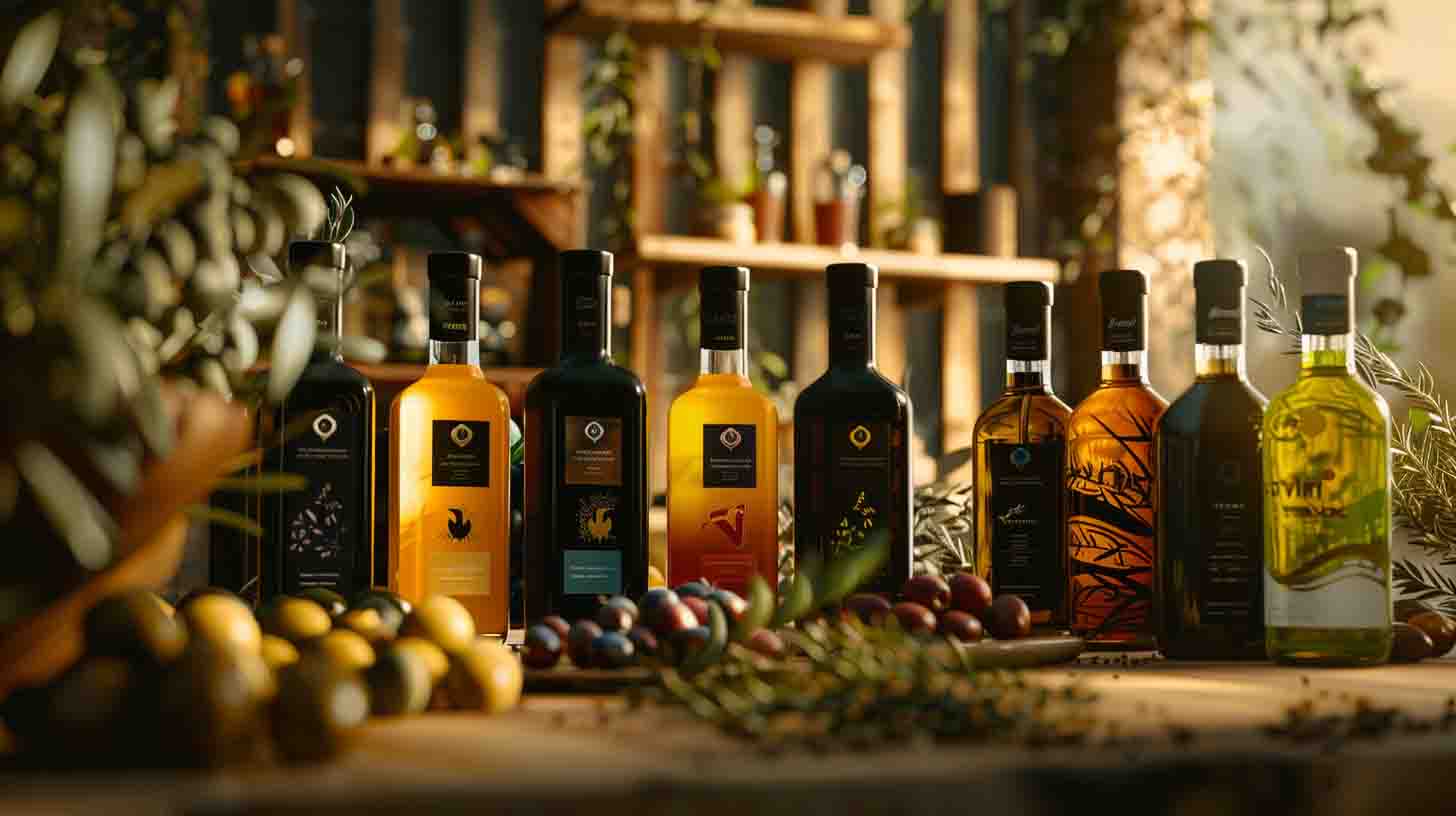
When you're choosing packaging for your olive oil, consider the quantity you'll need and how you'll store it.
Aesthetics also play a role, as attractive packaging can enhance your product's appeal.
Make sure the container not only looks good but also protects the oil's quality.
Choosing the right packaging for olive oil hinges on the quantity you intend to offer. The amount you provide influences not just the container choice but also the consumer experience.
Whether you're going for a small gift bottle or a bulk option, it's crucial to reflect on how your choice impacts both quality and appeal.
The right storage methods for olive oil are just as important as the quantity you offer. Choosing the right packaging not only preserves the quality of your oil but also reflects your commitment to excellence.
Dark glass bottles are a favorite because they shield oil from light, helping maintain its flavor and nutrients. Plus, they're reusable and recyclable, aligning with eco-friendly values that many of us share.
If you're looking for something more cost-effective, PET plastic containers can work, but be cautious—they're less effective against light and may let in some air.
For those considering bulk storage, stainless steel or tin containers offer robust protection against light and oxygen, although tin isn't the top choice for long-term preservation.
Selecting packaging for olive oil involves balancing aesthetics with functionality. You want your oil to stand out on the shelf while ensuring it remains fresh and flavorful. The right packaging can enhance your brand identity and attract consumers, making them feel connected to your product.
Here are some key aspects to take into account:
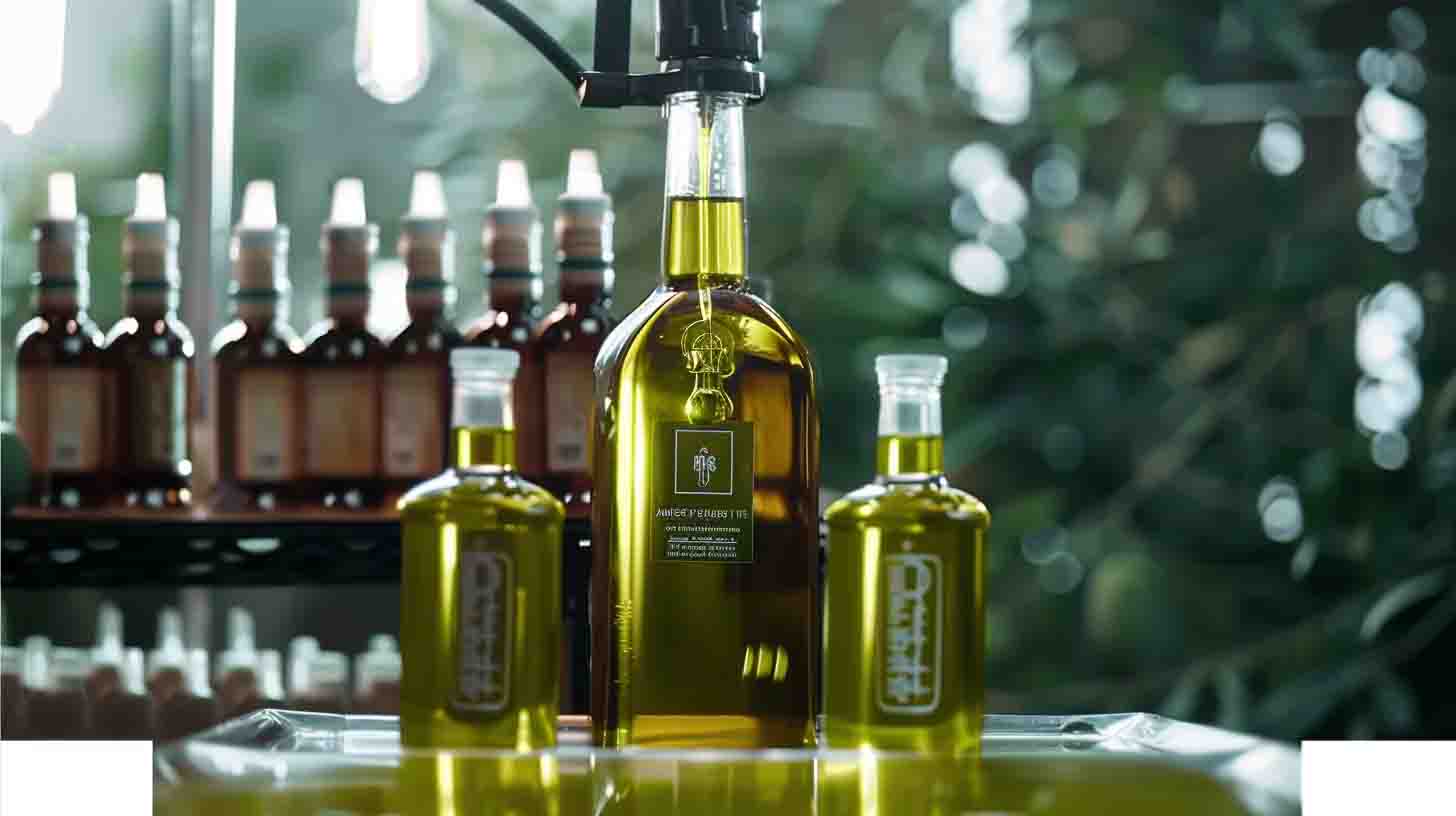
When it comes to filling olive oil bottles, you're faced with several machine options that cater to different needs.
Piston filling machines offer precision, while pump filling machines are great for high-speed operations.
If you're looking for efficiency, pressure filling machines can help you achieve a fast and consistent fill.
For bottling olive oil efficiently and accurately, piston filling machines are a top choice in the industry.
These machines provide consistent filling volumes, which guarantees that every bottle gets just the right amount of oil.
If you're looking to streamline your bottling process, here are some key benefits of using a piston filling machine:
Pump filling machines play an essential role in the olive oil bottling process, offering efficiency and consistency. When you're looking to streamline production, these machines are your go-to solution. They work by using a pump to transfer oil from a storage tank into bottles, ensuring precise measurements for each fill. This accuracy is crucial, as it helps maintain the quality and integrity of the olive oil you care about.
There are several types of pump filling machines available, each catering to different needs. For instance, volumetric pumps provide consistent fill sizes, while peristaltic pumps are excellent for handling sensitive oils without contamination.
If you're focused on speed, rotary pumps can fill multiple bottles simultaneously, making them ideal for high-volume operations.
Following the efficiency provided by pump filling machines, pressure filling machines offer another effective solution for bottling olive oil.
These machines utilize air pressure to fill bottles, guaranteeing a consistent flow that can handle various bottle sizes and shapes. If you're looking to streamline your bottling process, pressure filling machines might just be what you need.
Here are some key features of pressure filling machines:
Embracing pressure filling technology can help you elevate your bottling efficiency while preserving the quality of your olive oil.
It's a step towards connecting with the community of producers who value precision and excellence in their craft.
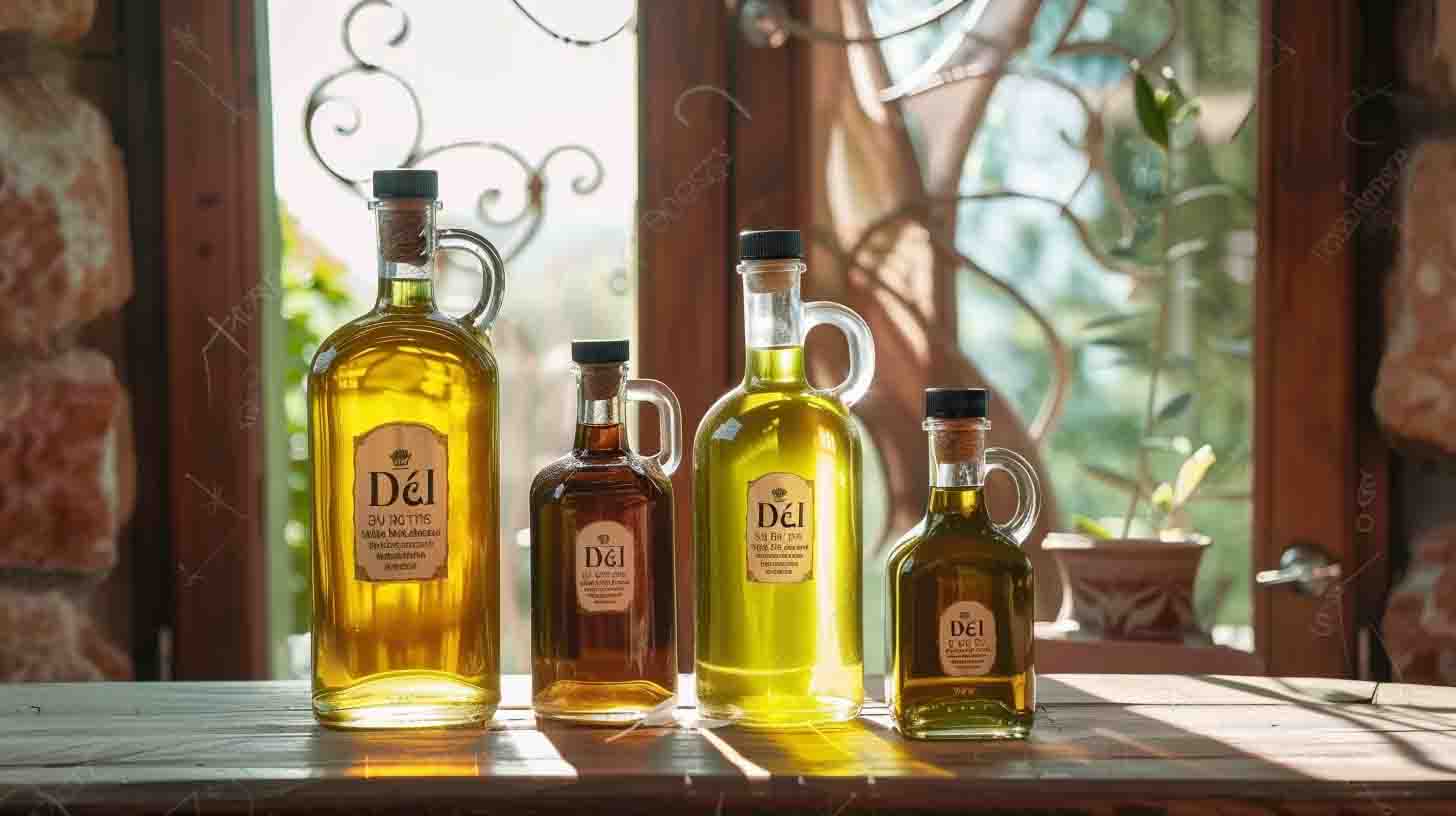
When you're selecting olive oil, pay attention to the labeling requirements that guarantee you know what you're buying.
You'll want to check for characteristics like net volume, country of origin, best before date, and nutrition facts.
These details not only inform your purchase but also help assure the quality of the oil you choose.
Labeling requirements for olive oil packaging are crucial for ensuring consumer awareness and product integrity.
When you pick up a bottle of olive oil, the label gives you essential information about the product's quality and characteristics. Understanding these aspects helps you make informed choices that suit your culinary needs and preferences.
Here are some key labeling elements you should look for:
Understanding the net volume on olive oil packaging is vital for making informed purchases. When you're browsing the aisles, it's important to know that net volume refers to the amount of olive oil contained in the bottle, excluding the weight of the packaging. This number helps you compare different brands and sizes without confusion.
Typically, you'll see net volumes ranging from 250 ml to 5 liters, depending on your needs. It's important to check this label because it not only affects your budget but also guarantees you're getting the value you expect. If you're cooking for a crowd or just for yourself, knowing how much oil you're buying can help tailor your culinary adventures.
Moreover, regulations require clear labeling, so you can trust the information you see. This transparency helps build a sense of community among olive oil lovers, as everyone shares the same understanding of what they're purchasing.
The country of origin label on olive oil packaging is essential for ensuring transparency and authenticity. It provides you with vital information about where the olives were grown and processed, helping you make an informed choice when selecting your oil.
This label not only promotes trust but also connects you to the rich heritage and traditions of olive oil production.
Here are some key points to reflect on regarding country of origin labeling:
Knowing the country of origin of your olive oil helps establish trust and quality, but just as important is the best before date on the packaging. This date informs you how long the oil will maintain its peak flavor and health benefits. When you look at a bottle, check for this date to guarantee you're getting the best experience.
| Labeling Element | Importance |
|---|---|
| Best Before Date | Indicates ideal consumption period |
| Harvest Date | Provides insight into freshness |
| Production Batch Number | Helps trace quality and origin |
A good olive oil can last up to two years if stored properly, but once opened, it's best consumed within a few months. Remember, the quality can diminish quickly if the oil isn't stored away from light and heat. Embracing this knowledge not only enhances your culinary endeavors but also connects you with a community that values quality ingredients. So, when you choose your olive oil, don't just look for country of origin; keep an eye on that best before date!
Nutrition facts are essential for olive oil packaging, as they provide important information about the product's health benefits and caloric content.
When you choose olive oil, knowing what's inside helps you make informed decisions for your health and cooking needs. The nutrition label should clearly outline key details, ensuring you feel confident about your purchase.
What essential information should you include on your olive oil packaging? You need to display the name and address of your manufacturing business clearly. This isn't just a regulatory requirement; it builds trust with your customers.
When they see your name and location, they feel a connection to the source of their olive oil. Ensure your business name is prominent and easily readable. Including the complete address gives consumers peace of mind, knowing where their product comes from.
Additionally, consider adding a contact number or website for inquiries, which can further enhance customer engagement.
It's also wise to include any certifications your business holds, like organic or fair trade, next to your name. This not only boosts credibility but also aligns with consumers ?values, fostering a sense of community around shared principles.
In addition to your business name and address, including a batch number on your olive oil packaging is essential for maintaining quality control and traceability. A batch number allows you to track the production details of each bottle, ensuring that customers receive the highest quality product. This practice builds trust and establishes a connection with your consumers, demonstrating your commitment to transparency.
Here are some important points to take into account about batch numbers:
Proper labeling of storage and use conditions is essential for ensuring that you maintain the quality of your olive oil. When you pick up a bottle, look for clear guidelines on how to store it.
Ideally, you should keep your olive oil in a cool, dark place, away from heat sources and direct sunlight. This helps prevent oxidation and preserves its flavor.
Labels should also indicate the recommended temperature range, typically between 14-18 °C (57-64 °F). If you're using a container that protects against light, like dark glass or stainless steel, you can be confident your oil will stay fresher longer.
Additionally, pay attention to any use-by dates. This gives you a timeframe for peak freshness, encouraging you to enjoy your olive oil while it's at its best.
To store olive oil effectively, you need to create a protected environment that shields it from light and air.
Maintaining cleanliness and hygiene during storage is essential to prevent contamination.
Additionally, choosing the right packaging materials and equipment can greatly extend the oil's freshness and quality.
Creating a protected environment for your olive oil is essential to maintaining its quality and flavor. To guarantee your oil stays fresh, consider these key storage tips:
Maintaining cleanliness and hygiene when storing olive oil is essential for preserving its quality and flavor. To guarantee your oil stays fresh and free from contamination, follow these simple guidelines.
| Storage Tips | Don'ts | Best Practices |
|---|---|---|
| Keep oil in a cool, dark place | Don't store near heat sources | Use dark glass or metal containers |
| Seal containers tightly | Avoid exposure to air | Check for leaks regularly |
| Clean storage area regularly | Don't use dirty utensils | Use clean, dry measuring tools |
Always store your olive oil at a temperature between 14-18 °C (57-64 °F). This helps maintain its flavor and prevents spoilage. Remember to avoid using dirty utensils when serving or measuring oil, as this can introduce bacteria.
Establishing good storage habits creates a welcoming environment for your oil, allowing you to enjoy its rich flavors whenever you cook or dress your meals. By taking these steps, you can guarantee a delightful, flavorful experience every time you reach for that bottle.
When it comes to storing olive oil, the choice of packaging materials plays an important role in preserving its quality and flavor. You want to guarantee that your olive oil remains fresh and vibrant, which means selecting the right container is vital.
Here are some key packaging options you should consider:
Choosing the right equipment for storing olive oil greatly impacts its freshness and quality. You'll want to opt for containers that protect your oil from light, heat, and air. Dark glass bottles are an excellent choice, as they keep harmful UV rays at bay while guaranteeing the oil remains flavorful.
If you're looking for bulk storage, consider stainless steel containers, which offer superior protection against oxidation. Avoid using clear glass or plastic containers, as they allow light and oxygen to degrade your precious oil.
Tinplate cans can be practical, but they don't always maintain quality as effectively as glass or stainless steel. If you're interested in sustainability, glass bottles are reusable and recyclable, aligning with eco-conscious values.
When storing, keep your olive oil in a cool, dark place, ideally between 14-18 °C (57-64 °F). Make certain to seal containers tightly to limit exposure to air.
For ideal temporary storage of olive oil, it's essential to keep it in a cool, dark place to prevent degradation. The right environment not only preserves the flavor but also guarantees you get the most out of your olive oil.
Here are some tips to help you store your oil properly:
Proper storage of olive oil directly impacts its quality and longevity. If you want to keep your olive oil fresh and flavorful, pay attention to its environment. Store it in a cool, dark place, ideally between 14-18 °C (57-64 °F). Avoid exposure to light and air, as they can cause oxidation, ruining the oil's taste and health benefits.
Choose the right container, too. Dark glass or stainless steel bottles are excellent choices since they shield the oil from light and air. While it might be tempting to display that beautiful bottle on your countertop, it's better to keep it tucked away in a cupboard.
Seal the bottle tightly after each use to limit oxygen exposure. If you buy larger quantities, consider transferring smaller amounts into a dark container for daily use. This way, you minimize the time the main bottle is open.
Efficiently storing olive oil is essential for maintaining its quality during logistics and distribution. You want to guarantee that the oil retains its flavor and nutritional value, so following some key practices can make all the difference.
When it comes to universal olive oil bottles, the Dorica and Marasca designs stand out for their practicality.
You'll appreciate how these shapes enhance both storage and pouring, making them ideal for various uses.
Understanding their features can help you choose the right bottle for your needs.
Dorica bottles embody elegance and functionality, making them a popular choice for olive oil packaging. Their tall, slender design not only enhances aesthetic appeal but also provides excellent UV protection thanks to the dark green glass.
Whether you're a home cook or a gourmet chef, these bottles offer the perfect combination of style and practicality for your olive oil.
Here are some key features that make Dorica bottles stand out:
When you choose Dorica bottles, you're not just selecting a container; you're joining a community that values quality, sustainability, and style in everyday culinary experiences.
It's the perfect choice for those who appreciate both design and function.
Marasca bottles, often regarded as universal olive oil containers, offer a practical yet stylish alternative to the more traditional Dorica design. Their unique shape and versatility make them a favorite among olive oil enthusiasts. You'll find that these bottles not only enhance the aesthetic of your kitchen but also provide excellent protection against light and air, preserving the quality of your oil.
Here's a quick comparison to help you appreciate the Marasca bottle's advantages:
| 特征 | Marasca Bottles | Other Bottles |
|---|---|---|
| 设计 | Elegant and slender | 各不相同 |
| 材料 | Dark glass | Glass, Plastic, Metal |
| Light Protection | Excellent | 各不相同 |
| Eco-friendly | Reusable and recyclable | Not always |
When you choose Marasca bottles, you're not just selecting a container; you're embracing a lifestyle that values quality and style. Share your love for olive oil with friends and family, and inspire them to appreciate the beauty of these universal bottles as well. You'll feel a sense of belonging to a community that celebrates the art of olive oil.
When you're looking to create customized olive oil bottles, start by selecting the right bottle size that suits your needs.
Next, consider the finish of the bottle and choose a sealing method that preserves the oil's quality.
Choosing the right bottle size for your customized olive oil is essential to meet your needs and preferences.
Whether you're gifting it to a friend, using it for personal consumption, or showcasing it at events, the size you select can make a big difference in usability and presentation.
Here are some factors to evaluate when choosing the perfect bottle size:
Ultimately, the right bottle size should reflect both your practical needs and your personal style.
It's all about creating a sense of belonging and connection, whether you're enjoying the oil solo or sharing it with loved ones.
Considering the finish of your olive oil bottle is essential when selecting a sealing option. The right cap can enhance not just functionality but also the overall experience of enjoying your olive oil.
If you've chosen a glass bottle with a narrow neck, a cork or a tamper-evident cap might be your best bet. These options provide a classic touch while ensuring your oil stays fresh and protected.
For bottles with a wider opening, consider a screw cap or a foam-lined cap. They're easy to use and help maintain your oil's quality by minimizing exposure to air.
If you're looking for something that stands out, decorative caps can add a unique flair, making your bottles not just containers but conversation starters at gatherings.
Don't forget to think about practicality too. Choose seals that are easy to remove but tight enough to prevent leaks.
Ultimately, the right sealing option should reflect your style and the quality of the olive oil inside, creating a sense of belonging to a community that values both taste and presentation.
Personalizing your label can transform a standard olive oil bottle into a unique expression of your brand or personal style.
It's not just about the oil; it's about the story you want to tell. When you customize your label, you create a connection with your audience, inviting them to be part of your journey.
Here are some ideas to reflect upon:
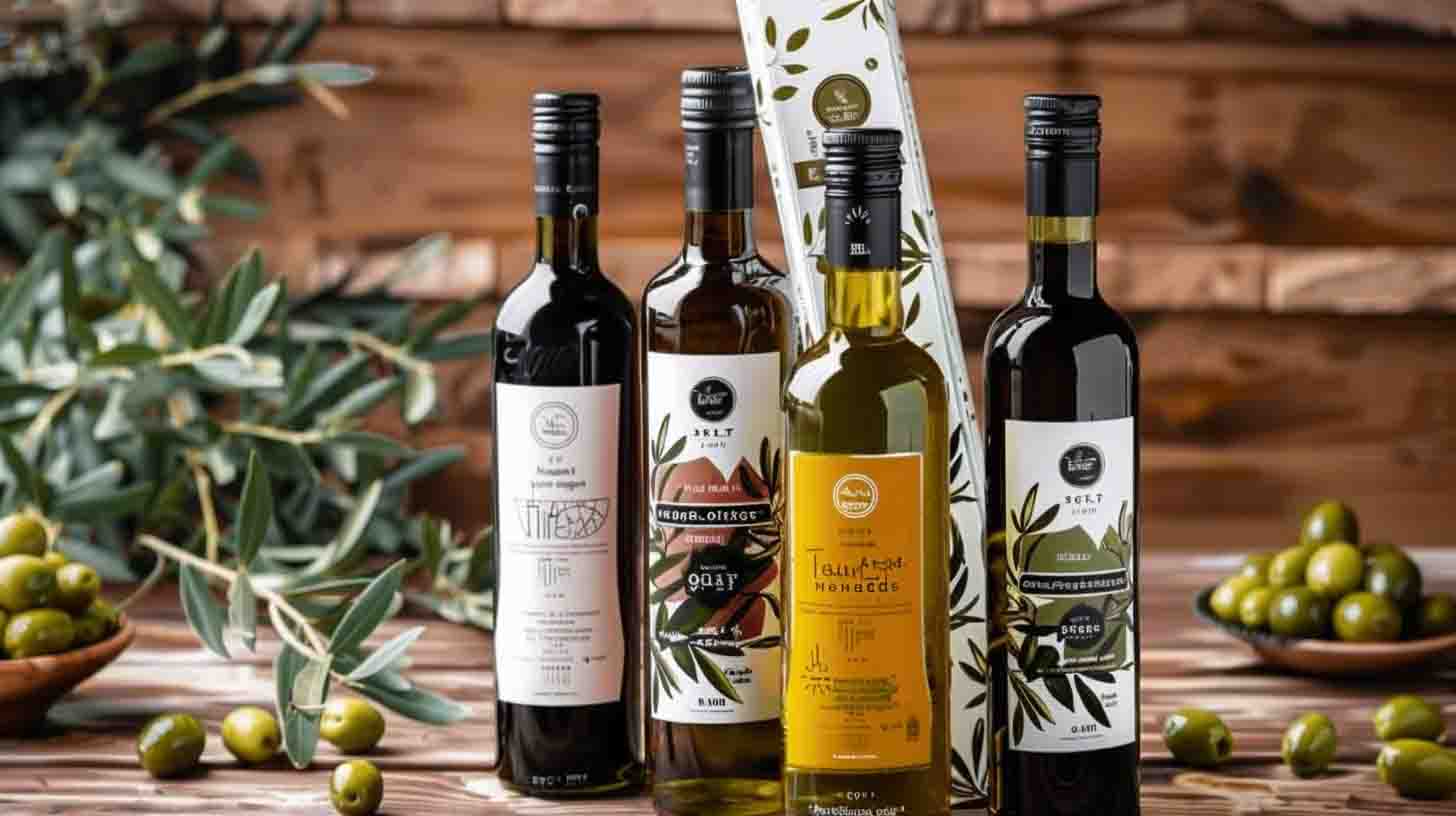
The color of olive oil bottles plays an essential role in preserving the quality of the oil inside. Darker bottles, like green and amber, effectively block harmful light that can degrade the oil's flavor and nutrition. This means you can trust that the olive oil you buy is fresh and flavorful, enhancing your culinary creations.
Here's a quick overview of the most common bottle colors and their benefits:
| Bottle Color | Light Protection | Common Uses |
|---|---|---|
| Dark Green | Excellent | Premium oils |
| Amber | Very Good | All-purpose oils |
| 清除 | Poor | Decorative purposes |
| Opaque | Excellent | Specialty blends |
Choosing the right bottle color not only keeps your olive oil in prime condition but also reflects a commitment to quality. When you select a bottle that prioritizes protection, you're joining a community that values taste and health. So next time you shop, remember that the bottle color matters just as much as the oil inside. It's all about making choices that elevate your cooking and well-being.
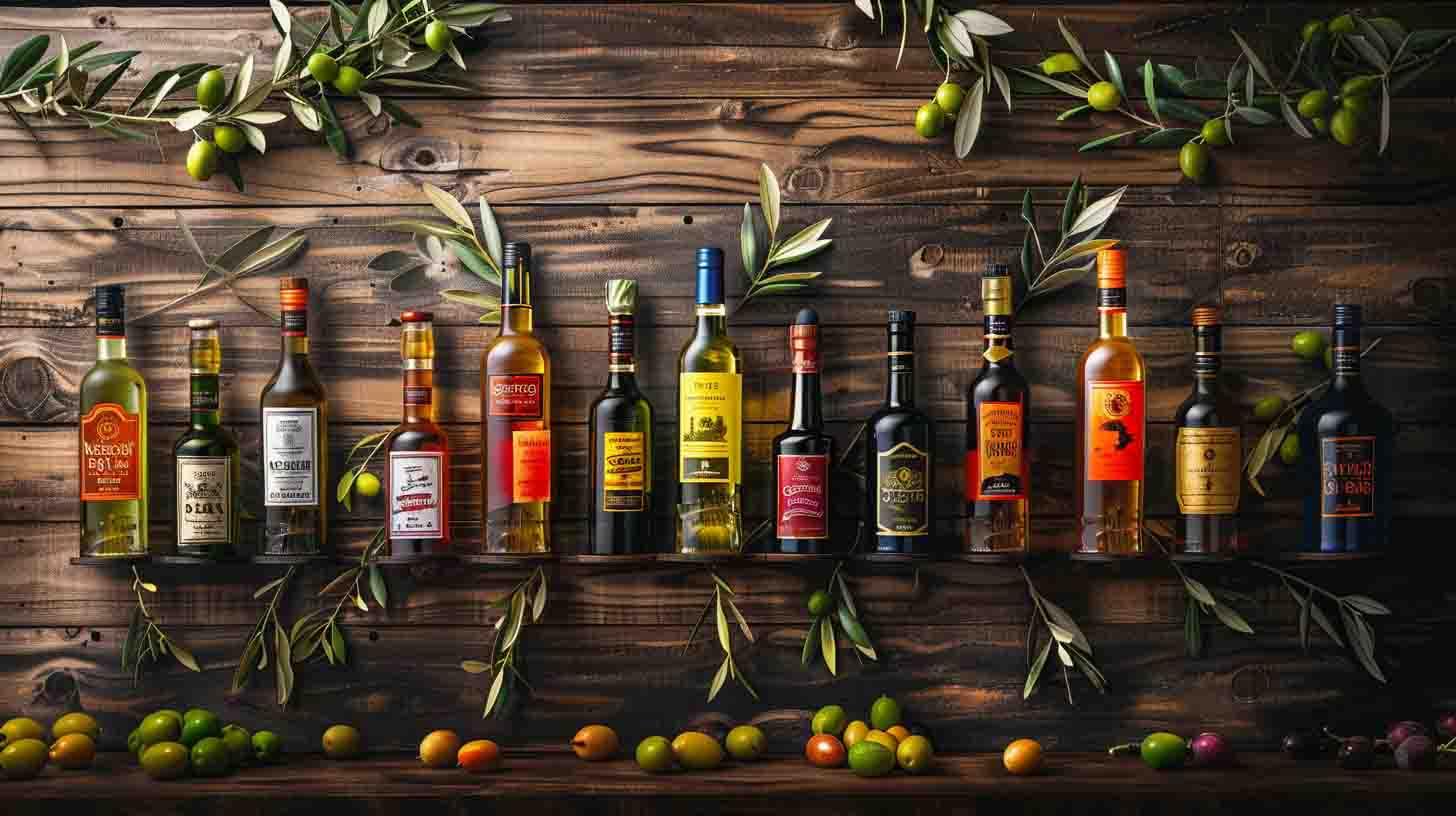
Choosing the right packaging for olive oil goes beyond aesthetics; it plays a significant role in preserving the oil's quality. When you're selecting a container, consider how it protects the oil from light, air, and temperature fluctuations.
Here are some of the best packaging options that not only maintain the freshness of your olive oil but also resonate with a sense of community and sustainability:
Bottle design influences your perception of quality and authenticity. When you see elegant shapes and dark glass, it signals premium quality, making you more likely to trust and choose the product for your kitchen.
Yes, there're regulations for olive oil bottle materials. You'll want to guarantee your packaging meets safety standards, protecting the oil's quality while also considering consumer preferences for recyclable and environmentally friendly materials.
Imagine vibrant green fields and sunlit olive trees. You value sustainability in packaging choices, opting for eco-friendly materials. By doing so, you support a healthier planet while enjoying quality olive oil, creating a meaningful connection to nature.
To tell if an olive oil bottle is high quality, check for dark glass, a seal, and a harvest date. Look for certifications and flavor notes. Trust your taste; quality oils will impress your palate.
When you consider packaging materials, think about their environmental impacts. Glass is recyclable and eco-friendly, while PET's lightweight nature reduces transportation emissions. Choosing sustainable options shows you care for the planet and future generations.
To sum up, choosing the right olive oil bottle is essential for preserving quality and appealing to consumers. For instance, imagine a small olive oil producer who switched to dark glass bottles. This simple change not only protected their oil from light but also elevated their brand's image, leading to a 30% increase in sales. With so many options available, investing in the right packaging can make all the difference for your olive oil business.